Table of Contents
ToggleFinding the right gear changes everything. Whether someone plans a weekend hike, hits the gym, or camps under the stars, the equipment they choose affects comfort, safety, and performance. This guide covers top gear recommendations across outdoor adventures, fitness routines, and camping trips. It also explains how to pick the right gear for specific needs. Quality equipment lasts longer, works better, and makes any activity more enjoyable. These recommendations help readers invest wisely and get the most from their next adventure.
Key Takeaways
- Top gear recommendations vary by activity—outdoor adventures, fitness routines, and camping each require specific equipment for optimal performance and safety.
- Quality backpacks, waterproof footwear, and layered weather protection form the foundation of essential outdoor gear.
- Adjustable dumbbells, resistance bands, and recovery tools like foam rollers provide versatile options for home gym setups.
- Three-season tents, temperature-rated sleeping bags, and lightweight cooking equipment cover the basics for camping trips.
- Define your activities and set a budget before shopping to avoid wasted money on gear you don’t need.
- Research reviews, test products in-store, and prioritize brands with strong warranties for long-lasting gear investments.
Essential Outdoor Gear for Adventurers
Outdoor adventures demand reliable equipment. The right gear protects against weather, terrain, and unexpected situations.
Backpacks and Bags
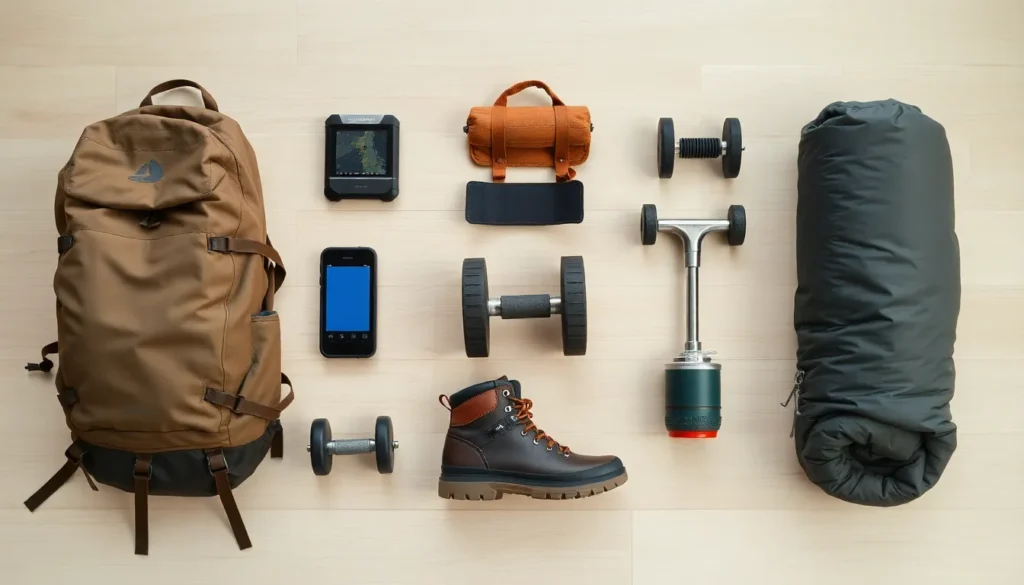
A quality backpack sits at the top of any gear recommendations list. Day hikers should look for 20-30 liter packs with padded straps and hip belts. Multi-day trekkers need 50-70 liter options with internal frames. Brands like Osprey, Gregory, and Deuter offer excellent durability and comfort.
Footwear
Boots or trail shoes can make or break an outdoor trip. Waterproof hiking boots work best for wet or rocky terrain. Trail runners suit lighter trips on established paths. Always break in new footwear before long hikes to avoid blisters.
Weather Protection
A breathable rain jacket belongs in every outdoor kit. Gore-Tex and similar materials block rain while letting sweat escape. Layering systems, base layer, insulating layer, and shell, help regulate body temperature in changing conditions.
Navigation Tools
Even with smartphone apps, physical maps and compasses remain essential. GPS devices from Garmin provide accuracy in remote areas. A backup power bank keeps electronic devices running on longer trips.
Must-Have Fitness and Sports Equipment
Home gyms and personal training setups continue to grow in popularity. The right fitness gear recommendations help people build effective workout spaces.
Strength Training Basics
Adjustable dumbbells save space and money. A set that ranges from 5 to 50 pounds covers most exercises. Resistance bands add variety without bulk. A sturdy weight bench opens up countless exercises for chest, back, and shoulders.
Cardio Equipment
Jump ropes offer cheap, effective cardio workouts. For bigger investments, spin bikes and rowing machines deliver low-impact, high-intensity sessions. Treadmills remain popular but take up more space than alternatives.
Recovery Tools
Foam rollers help muscles recover after intense workouts. Massage guns have become standard gear for serious athletes. Yoga mats support stretching routines and floor exercises.
Sports-Specific Gear
Runners need proper shoes matched to their gait and foot shape. Cyclists benefit from padded shorts and clip-in pedals. Swimmers should invest in quality goggles and training fins. Each sport has specific gear recommendations that improve performance and reduce injury risk.
Camping and Hiking Gear Essentials
Camping trips require careful planning and the right equipment. These gear recommendations cover the basics every camper needs.
Tents and Shelters
Three-season tents handle spring, summer, and fall conditions. They balance weight, ventilation, and weather resistance. Four-season tents add snow-load capacity for winter camping. Solo travelers can find quality one-person tents under four pounds.
Sleeping Systems
Sleeping bags come rated for specific temperatures. A 20°F bag suits most three-season camping. Sleeping pads provide insulation from cold ground and add comfort. Inflatable pads pack small, while foam pads offer reliability.
Cooking Equipment
Lightweight camp stoves run on propane or liquid fuel. Titanium cookware weighs less than steel but costs more. A reliable water filter or purification tablets ensure safe drinking water from natural sources.
Lighting and Safety
Headlamps free up hands for camp tasks. LED lanterns light larger areas. Every camping kit should include a first-aid kit, emergency whistle, and fire-starting tools. These items can prove critical in unexpected situations.
How to Choose the Right Gear for Your Needs
Shopping for gear without a plan leads to wasted money and cluttered closets. These steps help buyers find the right equipment.
Define the Activity
Different activities demand different gear recommendations. A day hiker doesn’t need a 70-liter pack. A casual gym-goer doesn’t need professional-grade equipment. Start by listing planned activities and their specific demands.
Set a Budget
Quality gear costs more upfront but lasts longer. Cheap boots fall apart after one season. Mid-range options often provide the best value. Allocate more budget to items that affect safety and comfort.
Research and Compare
Read reviews from actual users. Watch video comparisons on YouTube. Visit outdoor stores to test items in person. Many stores allow returns if gear doesn’t work out.
Consider Weight and Packability
Backpackers obsess over ounces for good reason. Every gram adds up over miles of trail. Ultralight gear recommendations suit long-distance hikers. Car campers can prioritize comfort over weight.
Check Warranty and Support
Top brands stand behind their products. Lifetime warranties signal confidence in quality. Good customer support helps when something goes wrong. Patagonia, REI, and Arc’teryx offer excellent after-purchase care.