Table of Contents
ToggleFinding the right gear recommendations for beginners can feel overwhelming. Stores push expensive products. Online reviews contradict each other. And somehow, everyone has a different opinion on what’s “essential.”
Here’s the truth: most beginners buy too much gear, too soon. They spend money on items they don’t need yet, or won’t need at all. The smarter approach? Start with the basics, learn what actually matters for your specific goals, and build from there.
This guide cuts through the noise. It covers the gear beginners actually need, budget-friendly options that perform well, mistakes to avoid, and when upgrades make sense. No fluff. Just practical advice to help anyone get started without wasting money or getting buried in choices.
Key Takeaways
- Define your specific goals, frequency, and budget before browsing any gear recommendations for beginners to avoid overspending on items you won’t use.
- Start with versatile foundation pieces like quality footwear, weather-appropriate layers, and a reliable bag that work across multiple situations.
- Find budget-friendly gear through store brands, previous-year models, used marketplaces, and seasonal sales without sacrificing quality.
- Avoid common beginner mistakes like buying too much too fast, prioritizing brand names over function, and skipping fit testing.
- Upgrade your starter gear only when it limits your performance, shows significant wear, or your needs have genuinely changed—not just because something newer exists.
Understanding Your Goals Before Buying Gear
Before spending a single dollar on gear, beginners should answer one question: what do they actually want to accomplish?
This sounds obvious, but it’s where most people go wrong. They see a list of gear recommendations for beginners online and start adding items to their cart. The problem? Those lists assume everyone has the same goals. They don’t.
Someone who wants to hike local trails on weekends needs different gear than someone training for multi-day backpacking trips. A casual photographer exploring the hobby needs different equipment than someone building a portfolio. Context matters.
How to Define Your Starting Point
Beginners should ask themselves:
- What activity am I focusing on? General categories help, but specifics matter more.
- How often will I do this? Frequency determines how much quality and durability matter.
- What’s my realistic budget? Not the aspirational number, the actual amount available.
- Where will I use this gear? Climate, terrain, and environment affect choices.
Answering these questions narrows the field significantly. Instead of browsing endless gear recommendations for beginners, they can focus on items that match their real situation.
A beginner who plans to camp three times a year doesn’t need the same tent as someone going out monthly. A new cyclist commuting five miles to work doesn’t require the same bike as someone training for races. Start with actual needs, not imagined future ones.
Essential Gear Every Beginner Should Own
Once goals are clear, it’s time to build a core kit. The best gear recommendations for beginners focus on versatility and reliability, items that work across multiple situations without breaking down.
The Foundation Pieces
Regardless of the specific activity, certain categories apply broadly:
- Quality footwear – Feet carry everything. Cheap shoes cause blisters, fatigue, and potential injury. This is the one area where beginners shouldn’t cut corners.
- Weather-appropriate layers – A moisture-wicking base layer, insulating mid-layer, and water-resistant outer layer handle most conditions.
- A reliable bag or pack – Size depends on the activity. Look for comfortable straps and enough compartments to stay organized.
- Basic tools or accessories – These vary by hobby. A headlamp for hikers. A multi-tool for campers. Lens cleaning supplies for photographers.
Activity-Specific Essentials
Beyond the basics, each pursuit has its own must-haves. Beginners should research gear recommendations for beginners specific to their chosen activity. A few examples:
- Hiking: Trekking poles, navigation tools (map or GPS app), first aid kit
- Camping: Shelter, sleeping system, cooking setup
- Photography: Camera body, versatile lens, memory cards, backup batteries
- Cycling: Helmet, repair kit, water bottle cage
The key is starting simple. Beginners don’t need every accessory from day one. They need enough gear to participate safely and comfortably while they learn what works for them.
Budget-Friendly Options That Deliver Quality
Good gear doesn’t require a massive budget. Smart beginners find quality at lower price points by knowing where to look.
Where to Find Deals
- Store brands and house labels – Major retailers sell their own gear lines. These often use similar materials to premium brands at 30-50% lower prices.
- Previous-year models – When companies release new versions, older models get discounted. The differences are usually minor.
- Used gear marketplaces – Platforms like Facebook Marketplace, eBay, and specialty forums offer gently used equipment. Many beginners sell gear they barely touched.
- Seasonal sales – End-of-season clearances offer the best prices. Buy winter gear in spring, summer gear in fall.
Best Value Gear Recommendations for Beginners
Some categories offer better budget options than others:
| Category | Worth Saving On | Worth Spending On |
|---|---|---|
| Clothing | Base layers, casual wear | Footwear, rain gear |
| Equipment | Accessories, bags | Safety items, primary tools |
| Electronics | Storage, cables | Core devices |
The pattern? Save money on items where failure means inconvenience. Spend more where failure means injury, ruined trips, or replacement costs that exceed the original savings.
Beginners should also avoid the cheapest options available. Rock-bottom prices usually mean rock-bottom quality. Mid-range gear from reputable brands offers the best balance of cost and performance.
Common Gear Mistakes Beginners Make
Even with good gear recommendations for beginners, people make predictable errors. Knowing these mistakes helps avoid them.
Buying Too Much, Too Fast
Enthusiasm leads to overspending. Someone gets excited about a new hobby, reads a dozen gear lists, and orders everything at once. Three months later, half of it sits unused in a closet.
The fix: Buy the minimum needed to start. Use it several times. Then identify gaps based on actual experience, not hypothetical scenarios.
Prioritizing Brand Over Function
Premium brands charge for their name. Sometimes that premium reflects quality. Often, it doesn’t. A $200 jacket from a trendy brand might perform identically to a $90 jacket from a lesser-known company.
Beginners should compare specs and reviews, not logos. The best gear recommendations for beginners focus on what items do, not who makes them.
Ignoring Fit and Comfort
Gear that doesn’t fit properly fails regardless of quality. Boots that cause blisters. Backpacks that strain shoulders. Helmets that shift around.
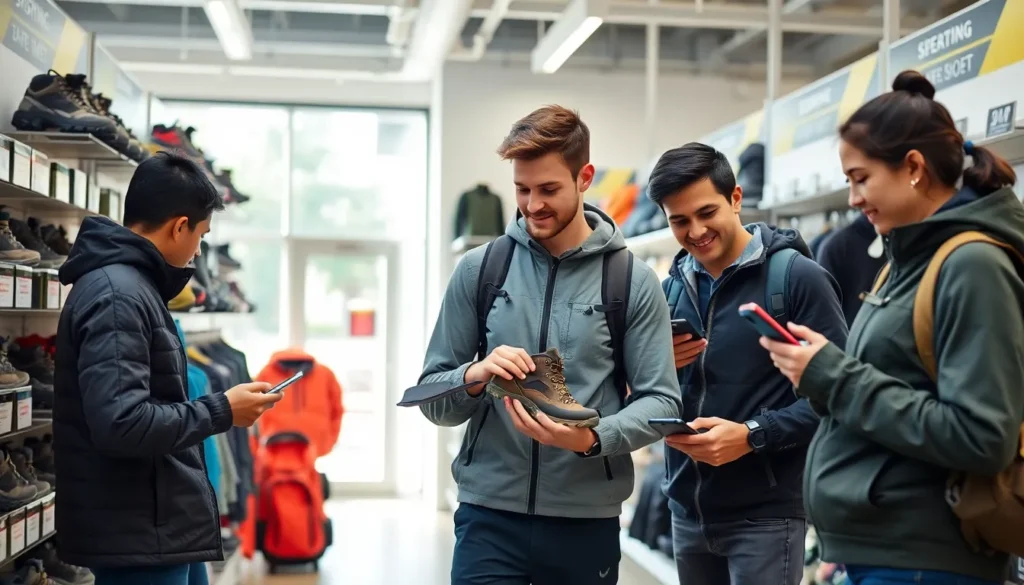
Whenever possible, beginners should try gear in person before buying. If ordering online, they should understand return policies and use them without hesitation.
Skipping Research
Impulse purchases rarely work out. Spending 20 minutes reading reviews and watching comparison videos saves money and frustration. Most gear has been tested extensively by enthusiasts who share honest opinions online.
When to Upgrade Your Starter Gear
Starter gear has limits. At some point, upgrading makes sense. But when?
Signs It’s Time to Upgrade
- The gear limits performance – If equipment holds someone back from improving, better gear helps. A hiker ready for longer distances might need a lighter pack. A photographer hitting camera limitations might need better glass.
- Wear and deterioration show – Gear that’s worn out should be replaced. Fraying seams, broken zippers, and cracked materials affect safety and function.
- Needs have changed – Someone who started casually might now pursue the activity seriously. Their gear recommendations for beginners no longer apply, they need intermediate or advanced equipment.
- Comfort matters more – Early on, minor discomforts seem acceptable. With experience, people realize better gear reduces fatigue and increases enjoyment.
Signs It’s NOT Time to Upgrade
- “New model” excitement without actual need
- Comparisons to what others have
- Sales and discounts on items that won’t get used
- Boredom with current equipment even though it working fine
Upgrading should solve specific problems. If beginners can’t articulate what problem new gear solves, they probably don’t need it yet.
The smartest approach: use starter gear until its limitations become obvious through experience. Then upgrade strategically, one piece at a time, rather than replacing everything at once.