Table of Contents
ToggleFinding the right gear recommendations tips can save buyers time, money, and frustration. Whether someone is shopping for hiking boots, camera equipment, or fitness accessories, the wrong choice leads to disappointment. The right choice enhances performance and enjoyment.
Choosing equipment isn’t about picking the most expensive option or following trends. It requires understanding personal needs, researching options, and making informed decisions. This guide breaks down the essential steps for selecting gear that performs well and lasts long. From defining requirements to testing products before purchase, these gear recommendations tips apply to virtually any activity or hobby.
Key Takeaways
- Define your specific needs and skill level before shopping to avoid buying gear that doesn’t match your actual requirements.
- Research materials, construction quality, and warranties to ensure your gear delivers lasting value rather than quick disappointment.
- Set a realistic budget by factoring in accessories and calculating cost-per-use rather than just upfront price.
- Read multiple reviews from users with similar needs and seek expert opinions to uncover real-world performance insights.
- Test gear hands-on through store visits, rentals, or generous return policies before making a final commitment.
- Following these gear recommendations tips helps you make informed decisions that save time, money, and frustration.
Define Your Needs Before Shopping
The first step in any gear purchase is understanding what the equipment needs to accomplish. Buyers who skip this step often end up with products that don’t match their actual requirements.
Start by asking specific questions. What activity will this gear support? How often will it be used? What conditions will it face? A weekend hiker needs different boots than someone trekking through mountains for weeks at a time.
Make a list of must-have features versus nice-to-have extras. This distinction prevents overspending on capabilities that won’t get used. A photographer shooting family portraits doesn’t need the same camera as a wildlife professional.
Consider skill level honestly. Beginners often benefit from simpler, more forgiving equipment. Advanced users may require specialized features that justify higher prices. Buying gear beyond current abilities wastes money and can actually hinder learning.
Think about future needs too. Will interests expand? Will usage increase? Sometimes spending a bit more upfront makes sense if the gear can grow with the user. Other times, starting basic and upgrading later proves smarter.
These gear recommendations tips help create a clear picture of what’s actually needed before any money changes hands.
Research Quality And Durability
Quality matters more than brand names or flashy features. Equipment that breaks quickly or underperforms costs more in the long run through replacements and frustration.
Look at materials and construction. Metal components typically outlast plastic ones. Reinforced stitching holds up better than basic seams. Water-resistant coatings protect gear in various conditions. These details reveal how long equipment will actually last.
Research manufacturer warranties. Companies confident in their products offer longer coverage periods. A lifetime warranty signals that a brand stands behind its gear. Short warranties or excessive exclusions should raise concerns.
Check for industry certifications when applicable. Safety ratings, waterproof standards, and performance certifications provide objective measures of quality. These aren’t marketing claims, they’re verified benchmarks.
Compare similar products from different manufacturers. Sometimes lesser-known brands deliver equal or better quality at lower prices. Other times, premium brands justify their costs through superior materials and craftsmanship.
Following these gear recommendations tips during research prevents buyer’s remorse and ensures purchases deliver lasting value.
Set A Realistic Budget
Money matters. Setting a clear budget before shopping prevents impulse decisions and financial stress. But budget-setting requires more than picking a random number.
Research typical price ranges for the type of gear needed. Entry-level, mid-range, and premium options exist in most categories. Understanding these tiers helps set realistic expectations about what different price points deliver.
Factor in additional costs. Some gear requires accessories, maintenance supplies, or complementary equipment. A tent purchase might also need stakes, footprints, and repair kits. These extras add up quickly.
Consider cost-per-use calculations. Expensive gear used frequently often costs less per use than cheap equipment used rarely. A $300 jacket worn 200 times costs $1.50 per wear. A $50 jacket that falls apart after 10 uses costs $5 per wear.
Watch for sales cycles. Outdoor gear often goes on sale during off-seasons. Electronics drop prices when new models release. Patience can stretch budgets significantly.
Don’t automatically buy the cheapest option. Low-quality gear often fails when needed most, potentially ruining experiences or creating safety issues. Balance affordability with dependability.
These gear recommendations tips help buyers allocate funds wisely without overspending or underbuying.
Read Reviews And Seek Expert Opinions
Other people’s experiences provide valuable insights that product descriptions can’t match. Reviews reveal how gear performs in real-world conditions over time.
Read multiple reviews from different sources. Single opinions can be biased or based on unusual circumstances. Patterns across many reviews indicate consistent strengths or weaknesses. If dozens of reviewers mention the same problem, take it seriously.
Look for reviews from users with similar needs and experience levels. A professional’s critique may not apply to casual users. A beginner’s perspective might miss nuances that matter to experienced buyers.
Seek expert opinions from trusted sources. Industry publications, experienced retailers, and professional users offer informed perspectives. They’ve often tested multiple options and can provide comparative insights.
Be skeptical of reviews that seem too positive or too negative. Fake reviews exist on both extremes. Look for detailed, specific feedback rather than vague praise or complaints.
Join online communities focused on relevant activities. Forums, social media groups, and enthusiast websites connect buyers with experienced users willing to share honest gear recommendations tips. These communities often know which products deliver and which disappoint.
Ask questions directly. Most experienced enthusiasts enjoy helping newcomers avoid mistakes they made themselves.
Test Gear Before Committing
Hands-on testing beats any amount of research. Gear that looks perfect on paper might feel wrong in person. Testing prevents expensive mistakes.
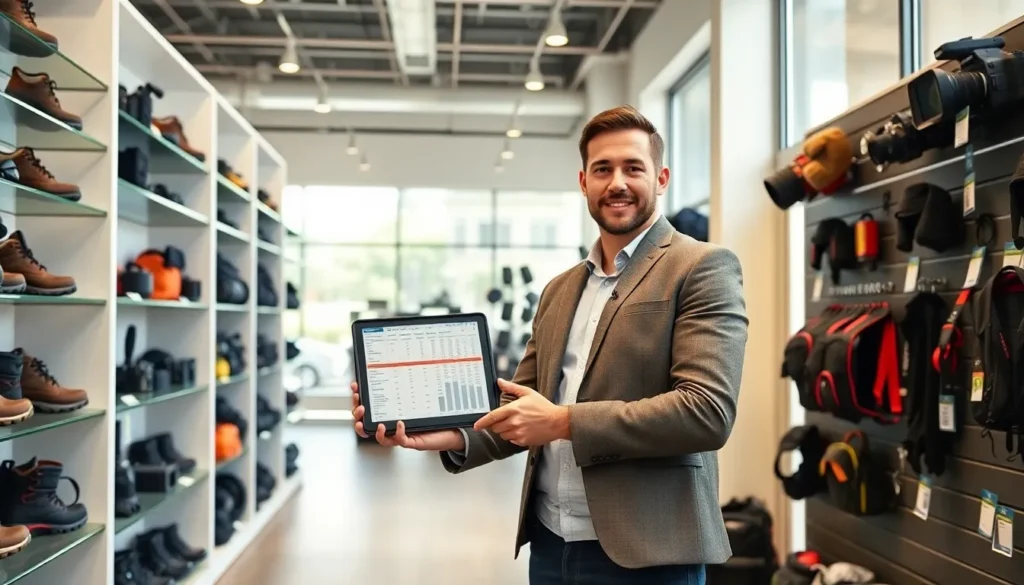
Visit physical stores when possible. Handle products. Try them on. Test their features. Weight, grip, fit, and ergonomics matter in ways photos can’t convey. Many buyers discover their first choice feels uncomfortable once they actually hold it.
Rent before buying when options exist. Outdoor recreation shops, camera stores, and specialty retailers often offer rental programs. Spending a weekend with rented gear provides real-world experience without full commitment.
Take advantage of generous return policies. Some retailers allow extended trial periods for certain products. Buy, test thoroughly, and return if the gear doesn’t meet expectations. Just respect these policies, they exist to help buyers make confident decisions.
Test in realistic conditions when possible. Running shoes need testing on actual runs, not just around a store. Camping gear should face overnight trips before major expeditions. These trials reveal issues that casual handling misses.
Connect with local clubs or groups that might let newcomers try equipment before purchasing. Fellow enthusiasts often welcome the chance to share their gear and knowledge.
These gear recommendations tips ensure final purchases match real-world needs and preferences.